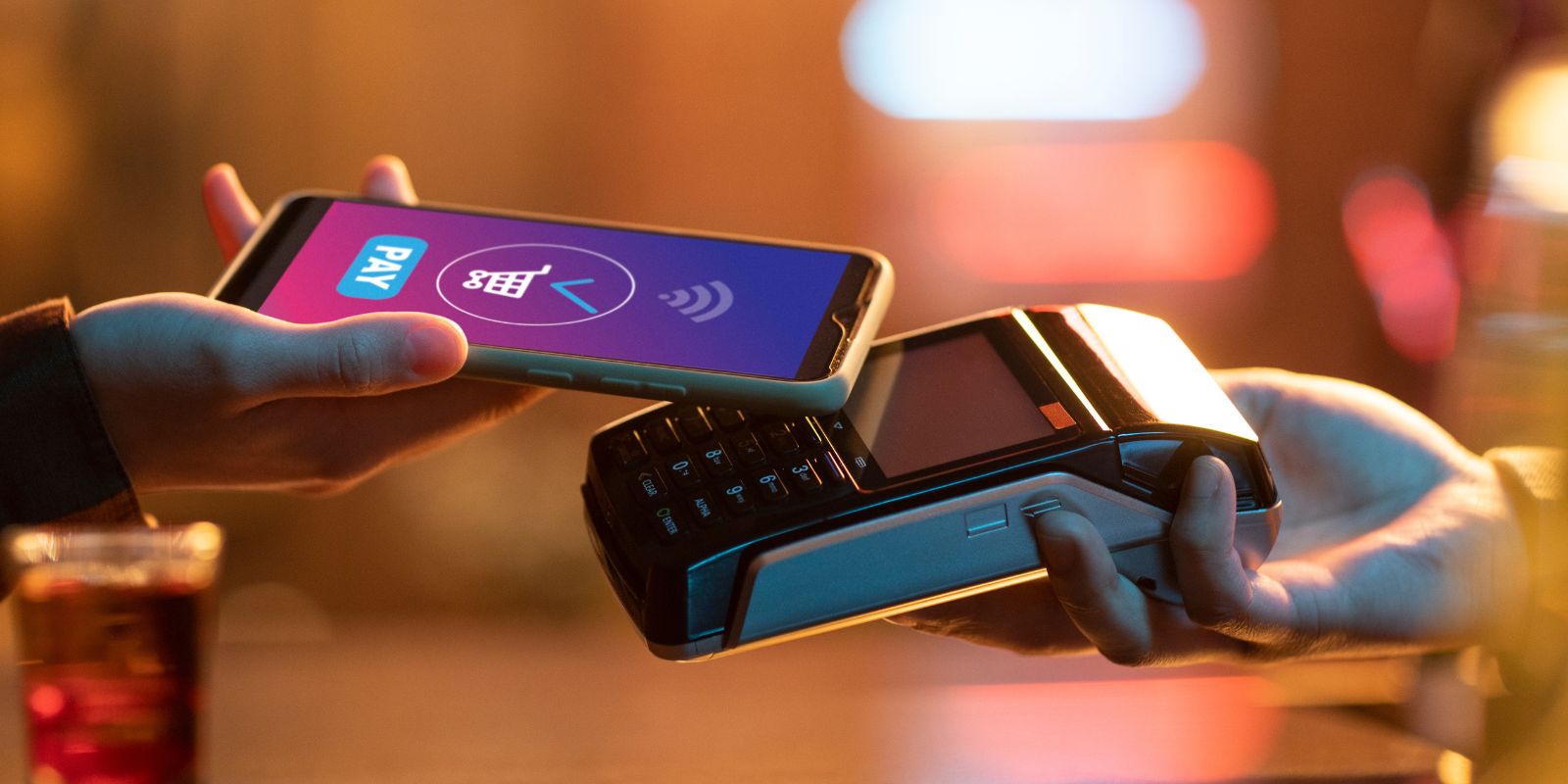
The global digital payments market is projected to reach a value of $15.19 trillion, expanding at a compound annual growth rate (CAGR) of 12.4%. The financial sector worldwide is experiencing significant change, driven by technological advancements. Within this dynamic digital landscape, the United Arab Emirates (UAE) has emerged as a trailblazer in adopting innovative payment solutions. Transitioning seamlessly from traditional cash transactions to state-of-the-art digital payment methods, the UAE has redefined its financial ecosystem, establishing itself as a global leader in pioneering and implementing next-generation payment technologies.
Key Takeaways
- Modern payment solutions provide faster, safer, and more convenient transactions, minimizing fraud risks.
- Companies leveraging advanced payment solutions gain a competitive edge by offering seamless and innovative payment experiences.
- Technology providers play a crucial role in helping businesses implement cutting-edge payment systems that cater to market requirements.
- Advanced payment systems streamline international payments, supporting the UAE’s position as a regional business hub.
- Digital payment solutions allow previously underbanked or unbanked populations to access secure and convenient financial services.
- The adoption of digital payment systems fosters fintech innovation and allows businesses to scale efficiently with evolving consumer demands.
The Changing Landscape of Payments in the UAE
The UAE’s financial industry has evolved significantly over the past two decades. The government has consistently pushed for digitalization, resulting in the widespread adoption of electronic payment systems, mobile wallets, and digital banking services. Whereas payment systems in the past primarily involved physical money (cash or credit cards), today’s consumers prefer seamless, quick, and secure digital transactions. Several factors have driven this transformation:
Government Support and Vision: The UAE government actively supports fintech and digital payment technologies through initiatives such as the UAE Vision 2021, which aims to create a competitive knowledge-based economy. The Central Bank of the UAE (CBUAE) has played a significant role in regulating and overseeing digital payment systems, ensuring the country remains aligned with global trends.
Smartphone Penetration and Mobile Usage: The UAE boasts high smartphone penetration, with a tech-savvy population quick to adopt mobile payment options. The popularity of mobile apps, e-commerce platforms, and contactless payments has accelerated the shift toward a cashless society.
COVID-19 Impact: The pandemic further accelerated the adoption of digital payment systems. With social distancing measures in place, both businesses and consumers turned to contactless transactions to minimize physical interactions. This surge in demand for digital payments spurred innovation and increased focus on developing secure, fast, and efficient payment solutions.
The Rise of UPI Payment Solutions in the UAE
One of the most transformative developments in the global payments landscape is the introduction of the Unified Payments Interface (UPI), a real-time payment system developed by the National Payments Corporation of India (NPCI). While UPI has seen massive success in India, it has begun to make its way into international markets, including the UAE.
What is UPI?
UPI is a mobile-first, instant payment system that allows users to link multiple bank accounts to a single mobile application, enabling direct peer-to-peer and merchant payments. It eliminates the need for intermediaries such as payment gateways, making transactions faster, cheaper, and more secure. UPI also supports various features, such as:
Real-time transactions: Payments happen instantly, even between different banks.
Ease of use: Users can send or receive money using simple identifiers like mobile numbers or QR codes.
Security: UPI integrates with biometric authentication and uses secure protocols for transaction validation.
UPI in the UAE
The UAE has recognized UPI’s potential to modernize its payment systems. Several initiatives are underway to integrate UPI-based services into the UAE’s financial ecosystem. Key developments include the introduction of UPI payment solutions by banks and fintech companies in collaboration with the Indian government and the CBUAE. The UAE’s growing Indian expat population has been a driving factor, promoting UPI as a convenient method to send money between India and the UAE.
As UPI systems integrate with regional banks, users in the UAE can now enjoy frictionless cross-border payments, enhancing business transactions and remittances. Additionally, UPI adoption is seen as a critical step toward creating a cashless society, where transactions are instant, secure, and contactless.
The Role of Payment Solutions Providers
As demand for digital and contactless payments grows, payment solution providers are at the heart of the UAE’s financial transformation. Companies that offer secure, reliable, and efficient payment systems are shaping the future of transactions.
ToXSL Technologies, a leading provider of innovative IT services, is one such company driving digital payment innovations. ToXSL Technologies develops tailored payment solutions that meet the specific needs of businesses and consumers in the UAE. Their solutions help organizations optimize payment processing, offering enhanced security, faster processing times, and multiple integration options.
From mobile payment apps and point-of-sale (POS) systems to e-commerce payment gateways, ToXSL Technologies supports businesses in navigating the complexities of the digital payment era. Their expertise in providing customizable, scalable, and reliable payment systems aligns perfectly with the growing demand for secure and seamless payment experiences.
How Much Does It Cost to Develop Customized Payment Solutions?
One of the most common questions businesses face when considering customized payment systems is: How much does it cost? The answer depends on several factors, including features, technologies, complexity, security requirements, and geographical scope.
The cost to develop a customized payment solution varies widely. Simple payment gateways can cost as little as $10,000, while enterprise-level systems with multi-currency support, advanced security, and fraud detection can exceed $150,000.
Type of Payment Software Solution | Features | Estimated Cost | Development Time |
|---|---|---|---|
Basic Payment Gateway | Card payment processing, basic fraud protection, transaction history | $10,000 – $25,000 | 2–3 months |
Mobile Payment Solution (Single Platform) | Mobile wallet integration, peer-to-peer transfers, QR code payments | $20,000 – $50,000 | 3–6 months |
Payment Processor | Full processing capabilities, multi-currency support, advanced reporting | $30,000 – $70,000 | 4–6 months |
Omnichannel Payment Platform | Web and mobile support, multi-currency, fraud detection, subscriptions | $70,000 – $150,000+ | 6–12 months |
Enterprise Payment Solution | Complex integrations, cross-border payments, subscription management, security compliance | $100,000 – $300,000+ | 9–12 months |
Factors Affecting Cost
Type of Payment System: More complex systems, such as those including UPI Payment, mobile wallets, or cross-border transactions, increase costs.
Platform: Developing for multiple platforms (web, iOS, Android) increases both time and cost.
Features and Functionalities: Each additional feature, like recurring billing, analytics, or fraud detection, adds to the overall cost.
Security and Compliance: High-level security, encryption, tokenization, and adherence to PCI-DSS or GDPR standards raise development complexity and cost.
Integration with Third-Party Services: Connecting with payment processors, banking APIs, accounting software, or fraud tools requires extra development effort.
UI/UX Design: Custom interface design, branding, accessibility, and intuitive workflows increase time and cost.
Development Team and Location: Costs vary based on whether teams are onshore, offshore, or in-house. Onshore teams are more expensive but allow closer communication.
Maintenance and Ongoing Costs: Updates, security patches, hosting, compliance audits, and support contribute to operational costs.
Geographical Factors: Developing solutions for multiple regions can increase costs due to regulatory requirements and additional integrations.
Types of Payment Solutions
1. Mobile Payment Solutions
ToXSL Technologies offers innovative mobile payment systems that allow users to make transactions quickly and securely via their smartphones. These solutions integrate seamlessly with existing banking infrastructure, ensuring a smooth payment experience.
2. QR Code Payments
QR codes have become an integral part of the payment process, especially in the UAE, where businesses can use them to offer quick and secure transactions. ToXSL Technologies’ QR code-based payment solutions offer customers a simple way to make payments with just a scan, making it ideal for retail businesses and small enterprises.
3. E-commerce Payment Gateways
With the rise of online shopping in the UAE, secure and efficient payment gateways have become a necessity. ToXSL Technologies helps businesses integrate secure online payment systems that accept multiple payment methods, including credit/debit cards, UPI, and mobile wallets.
4. Cross-border Payment Solutions
As a global hub for business and tourism, the UAE sees significant cross-border transactions. ToXSL Technologies offers seamless cross-border payment solutions that allow businesses to handle payments from international customers in real time, ensuring efficiency and cost-effectiveness.
5. Blockchain and Cryptocurrency Solutions
As blockchain technology becomes more prominent in financial services, ToXSL Technologies has been exploring ways to integrate blockchain into payment systems. Blockchain can significantly reduce fraud risks and transaction costs, and it is well-suited for a range of applications, including cryptocurrencies and secure, transparent payment processing.
Benefits of Transforming the UAE’s Payment Systems
The transformation of the UAE’s payment systems is more than a technological upgrade—it is a strategic shift that supports economic growth, innovation, and global competitiveness. By embracing advanced digital payment technologies, the UAE is creating a financial ecosystem that is efficient, inclusive, and future-ready. Below are the expanded benefits of this transformation in greater detail:
1. Increased Transaction Speed
Modern digital payment systems significantly reduce transaction processing times. Unlike traditional banking methods that may take hours or even days to settle payments, real-time payment systems enable instant fund transfers. This efficiency is particularly beneficial for businesses that rely on high transaction volumes, such as retail, hospitality, and e-commerce. Faster transactions improve cash flow management, reduce administrative overhead, and allow organizations to operate more smoothly and profitably.
2. Enhanced Security
One of the most critical advantages of advanced payment systems is improved security. Digital payment solutions incorporate multi-layered security features such as encryption, tokenization, biometric authentication, and real-time fraud monitoring. These measures help protect users from data breaches, identity theft, and unauthorized transactions. In the UAE, where financial trust is paramount, secure payment systems strengthen consumer confidence and encourage greater adoption of cashless transactions.
3. Improved Customer Experience
Digital payment systems offer unmatched convenience to consumers. With mobile wallets, contactless cards, and UPI-based payments, users can complete transactions anytime and anywhere without carrying cash. Simple features like QR code scanning, one-tap payments, and seamless app integrations create a smooth and frictionless payment experience. This enhanced convenience leads to higher customer satisfaction and loyalty, especially in fast-paced urban environments like the UAE.
4. Cost Reduction for Businesses
Transforming payment systems helps businesses reduce operational and transaction-related costs. Digital payments minimize the need for cash handling, physical infrastructure, and manual reconciliation processes. Additionally, systems such as UPI reduce dependency on multiple intermediaries, resulting in lower transaction fees. For small and medium-sized enterprises (SMEs), these cost savings can be substantial, enabling them to reinvest in growth and innovation.
5. Greater Financial Inclusion
Digital payment systems play a vital role in promoting financial inclusion. By enabling access to basic financial services through smartphones and digital wallets, individuals who were previously unbanked or underbanked can now participate in the formal economy. In the UAE, where a diverse population includes expatriates and migrant workers, digital payment solutions provide easier access to remittances, salary payments, and everyday transactions.
6. Boost to Digital Economy
The evolution of payment systems directly supports the growth of e-commerce and the digital economy. Secure and flexible online payment options encourage consumers to shop online with confidence. Businesses benefit from the ability to reach a wider audience, both locally and internationally. As the UAE continues to position itself as a regional digital commerce hub, robust payment infrastructure becomes a key enabler of sustained economic growth.
7. Cross-Border Transactions
As a global business and tourism hub, the UAE handles a large volume of international transactions. Advanced payment systems simplify cross-border payments by reducing processing times, currency conversion complexities, and transaction costs. Solutions like UPI Payment and integrated digital payment platforms enable smoother remittances and international trade, benefiting businesses, expatriates, and global partners alike.
8. Encouragement of Fintech Growth
The modernization of payment systems fosters innovation within the fintech ecosystem. By adopting open banking frameworks, APIs, and interoperable payment solutions, the UAE encourages startups and technology providers to develop new financial products and services. This innovation-driven environment attracts investment, talent, and global partnerships, further strengthening the country’s position as a fintech leader.
9. Environmental Sustainability
Digital payment systems contribute to environmental sustainability by reducing the need for paper-based transactions, physical receipts, and cash production. A decrease in cash handling also lowers transportation and storage requirements, resulting in a smaller carbon footprint. This aligns with the UAE’s broader sustainability goals and its commitment to building a greener, more responsible economy.
10. Alignment with the UAE’s Vision
Transforming the payment ecosystem supports the UAE’s long-term vision of becoming a fully digital and cashless society. Digital payment systems enhance transparency, improve regulatory oversight, and enable data-driven decision-making. This alignment with national digital transformation goals ensures that the UAE remains competitive, innovative, and resilient in the global financial landscape.
Conclusion
The UAE’s payment systems have undergone a remarkable transformation, with digital solutions such as UPI and mobile wallets becoming increasingly widespread. This shift is driven by technological innovation, government support, and growing demand for fast, secure, and convenient payment methods.
At ToXSL Technologies, we help businesses navigate this digital landscape with advanced payment solutions tailored to the UAE market, including mobile payments, UPI integration, and cross-border transactions. Businesses leveraging these technologies stay competitive and are positioned for success in a digital-first economy.
The UAE is on track to become a global leader in digital payments, and ToXSL Technologies remains committed to driving innovation and shaping the future of payments in the region. Contact us.
Frequently Asked Questions
1. What is a customized payment solution?
A customized payment solution is a tailor-made system designed to meet specific business requirements, including UPI integration, mobile wallets, cross-border transactions, subscription billing, and secure gateways.
2. Which payment methods can be integrated?
Solutions can support credit/debit cards, UPI Payment, mobile wallets, bank transfers, and cross-border or multi-currency transactions.
3. How long does it take to develop a payment solution?
Basic solutions: 2–3 months
Mid-level solutions: 4–6 months
Enterprise-grade systems: 6–12 months or more.
4. Why is security and compliance important?
Security protects customers and prevents fraud, while compliance with PCI-DSS, GDPR, and other regulations ensures legal adherence.
5. Can solutions support international transactions?
Yes, advanced systems handle cross-border payments, multiple currencies, and international gateways, enabling global expansion.
6. How does ToXSL Technologies help businesses?
We provide tailored payment solutions for the UAE, including mobile payments, UPI integration, cross-border systems, and secure platforms to enhance efficiency and customer experience.