As cash usage continues to decline globally, digital payment methods are rapidly becoming the preferred choice for consumers. Digital wallets, credit and debit cards, and buy-now-pay-later (BNPL) solutions are steadily replacing physical cash, transforming the way people shop and pay.
In fact, global BNPL transactions are projected to reach USD 580 billion by 2030, highlighting the growing demand for flexible and convenient payment options. The United Arab Emirates (UAE) is also embracing this shift toward a cashless economy. Among online shoppers in the UAE, credit and debit cards remain the most commonly used payment methods, reflecting strong consumer trust in secure digital transactions. For e-commerce payments, Visa leads as the most preferred card scheme, followed closely by Mastercard, showcasing the increasing reliance on globally recognized and trusted payment networks.
In this blog, we will explore how digital payment solutions are revolutionizing the UAE’s payment industry, the key technologies behind this transformation, the benefits for businesses and consumers, the challenges companies should prepare for, and why investing in modern payment systems is essential for staying competitive in the UAE market.
Key Takeaways
- Digital payment solutions are transforming the UAE’s payment industry with faster, safer, and more convenient transaction experiences.
- The UAE’s strong digital infrastructure, government support, and mobile-first consumers are driving rapid payment innovation.
- Technologies like NFC, mobile wallets, QR payments, and online gateways are reshaping business and customer interactions.
- Businesses benefit from improved efficiency, higher conversions, reduced cash dependency, and better customer engagement.
- Consumers prefer digital payments for their speed, flexibility, security, and seamless integration into everyday activities.
- Investing in advanced payment solutions helps businesses stay competitive and future-ready in the evolving UAE market.
What Are Digital Payment Solutions?
Digital payment solutions refer to technologies that allow users to make or receive payments electronically without the need for physical cash. These solutions are designed to make transactions faster, more secure, and more convenient across online and offline channels. Some of the most common digital payment solutions used in the UAE include:
- Mobile wallets
- Contactless debit and credit card payments
- QR code payments
- Online payment gateways
- Bank transfer systems
- Buy Now, Pay Later (BNPL) options
- Peer-to-peer (P2P) payment apps
- NFC-based payment systems
- Subscription billing and recurring payment tools
These payment technologies are no longer limited to large enterprises. Small businesses, startups, restaurants, clinics, and service providers across the UAE are increasingly adopting digital payment systems to improve customer experiences and optimize business efficiency.
Why the UAE is Leading the Digital Payment Revolution?
The UAE is uniquely positioned to lead the digital payment revolution due to a combination of economic, technological, and regulatory factors. Its high smartphone penetration, digitally connected population, strong banking ecosystem, and innovation-friendly policies have created the ideal environment for payment modernization.
1. High Smartphone and Internet Penetration
A large percentage of the UAE population actively uses smartphones for shopping, banking, transportation, and entertainment. This mobile-first behavior naturally supports the adoption of digital wallets, in-app payments, and contactless transactions.
2. Strong Government Support
The UAE government has consistently promoted digital transformation through smart governance initiatives, fintech-friendly regulations, and investments in digital infrastructure. These efforts have encouraged banks, fintech companies, and businesses to adopt innovative payment models.
3. Growing On-Demand Economy
The rapid growth of eCommerce, food delivery, ride-hailing, and online service platforms has increased the need for secure and seamless digital payment solutions. Consumers now expect instant payment options integrated directly into apps and websites.
4. Tourism and Global Business Hub Status
As a major international travel and business destination, the UAE requires modern payment systems that support multiple currencies, cross-border transactions, and global payment standards.
5. Demand for Speed and Convenience
Consumers in the UAE are increasingly prioritizing fast, touchless, and secure checkout experiences. Digital payment systems align perfectly with these expectations.
Key Digital Payment Solutions Transforming the UAE’s Payment Industry
The UAE’s payment industry is being reshaped by several advanced technologies that are improving how transactions are initiated, processed, and secured.
1. Contactless Payments
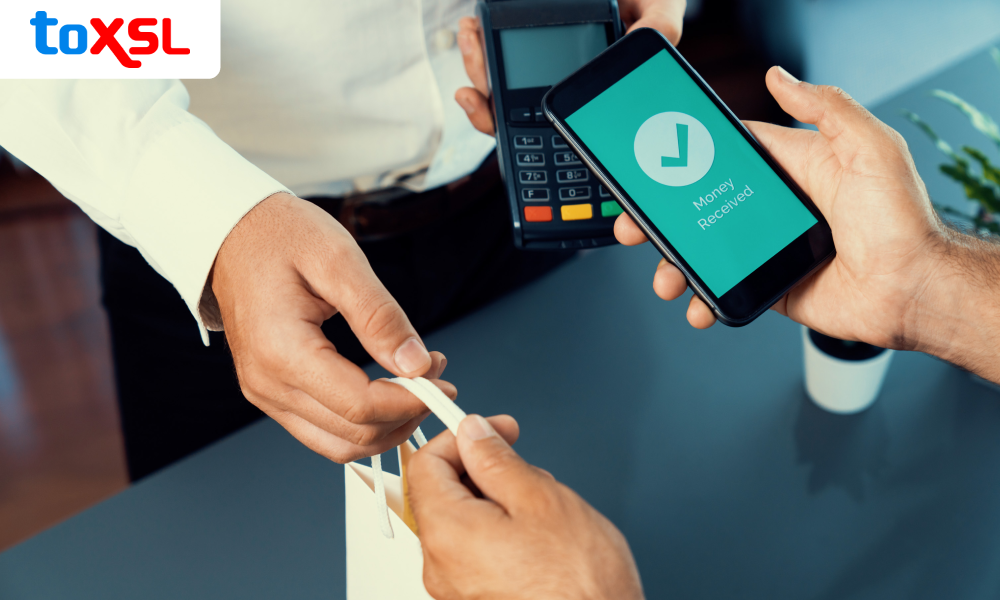
Contactless payments have become one of the most widely adopted digital payment methods in UAE. By simply tapping a card or smartphone on a payment terminal, users can complete transactions within seconds.
- Faster checkout experiences
- Reduced physical contact and improved hygiene
- Better convenience for customers
- Ideal for retail, restaurants, and public transport
This method is particularly popular in high-traffic sectors where speed matters, such as supermarkets, cafes, malls, and transit systems.
2. Mobile Wallets
Mobile wallets have transformed smartphones into secure payment devices. Consumers can store their debit cards, credit cards, loyalty cards, and even transit passes within a single app, making transactions easier and more efficient.
Why Mobile Wallets Matter:
- One-tap payment convenience
- Enhanced security through tokenization and biometric authentication
- Reduced dependency on physical wallets
- Seamless integration with mobile apps and online stores
For businesses, mobile wallet acceptance can improve conversion rates and attract digitally active consumers.
3. NFC Payment Solutions
Near Field Communication (NFC) technology enables two devices to exchange data over short distances, making tap-to-pay experiences possible. NFC payment solutions are especially important in the UAE, where convenience and contactless transactions are highly valued.
Use Cases of NFC Payments:
- Retail checkout systems
- Smart vending machines
- Transportation ticketing
- Restaurant and cafe billing
- Event access and cashless entry systems
NFC technology is playing a major role in creating frictionless payment ecosystems across physical spaces.
4. QR Code Payments
QR code payments have gained popularity as a low-cost and highly accessible digital payment option. Customers can simply scan a QR code using a smartphone to complete a transaction instantly.
Advantages of QR Payments:
- Easy to deploy for small and medium businesses
- No need for expensive hardware
- Quick and user-friendly experience
- Useful for dine-in, delivery, and service-based businesses
This method is especially beneficial for merchants seeking a flexible and cost-effective payment solution.
5. Online Payment Gateways
Online payment gateways are essential for eCommerce businesses operating in the UAE. These systems securely process card payments, digital wallets, and alternative payment methods through websites and mobile applications.
Why Payment Gateways Are Crucial:
- Secure online transaction processing
- Multiple payment method support
- Fraud prevention and encryption
- Seamless checkout experience
- Better customer trust and lower cart abandonment
For any business building an online store or mobile commerce platform, a reliable payment gateway is a core requirement.
6. Buy Now, Pay Later (BNPL)
BNPL solutions are becoming increasingly popular among UAE consumers, particularly in retail and eCommerce. These services allow customers to split purchases into manageable installments, often without interest for short repayment periods.
- Increases affordability for consumers
- Encourages higher order values
- Improves conversion rates for merchants
- Supports flexible spending behavior
BNPL is particularly effective for fashion, electronics, home goods, and lifestyle purchases.
7. AI-Powered Fraud Detection
As digital payments grow, so does the need for advanced security. AI and machine learning are helping payment providers detect unusual transaction patterns, reduce fraud risks, and improve overall trust in digital ecosystems. Security Enhancements Include:
- Real-time fraud monitoring
- Behavioral transaction analysis
- Multi-factor authentication
- Tokenization and encryption
- Risk-based approval systems
Security remains one of the most important pillars of digital payment transformation in the UAE.
How Digital Payment Solutions Benefit Businesses in the UAE
Digital payment solutions are not just improving customer convenience, they are creating measurable business value across industries.
- Improved Customer Experience: Fast, flexible, and secure payments lead to smoother customer journeys. A better checkout experience can directly improve satisfaction and loyalty.
- Higher Sales and Conversion Rates: When customers are offered multiple payment options, they are more likely to complete purchases. This is especially important in eCommerce and mobile app environments.
- Reduced Cash Handling: Digital payments minimize the operational burden of managing cash, including storage, reconciliation, and security concerns.
- Better Business Efficiency: Automated payment processing reduces manual errors, speeds up accounting, and simplifies reporting.
- Valuable Transaction Insights: Digital payment systems generate data that businesses can use to understand customer preferences, buying patterns, and revenue trends.
- Scalability for Growth: Modern payment systems make it easier for businesses to expand across channels, locations, and customer segments.
How Consumers Benefit from Digital Payment Innovation
Consumers in the UAE are embracing digital payments because they offer a faster, smarter, and more secure way to manage transactions. Consumer Advantages:
- Quick and convenient payments
- Reduced need to carry cash
- Access to multiple payment methods
- Enhanced security features
- Easier tracking of expenses
- Better integration with rewards and loyalty programs
This convenience is one of the main reasons digital payments continue to gain momentum in the UAE market.
How Much Does It Cost to Develop Digital Payment Solutions?
The cost to develop digital payment solutions depends on several important factors, including the platform type, level of customization, security requirements, third-party integrations, and overall project complexity. A basic digital payment solution with essential features such as user registration, wallet integration, payment gateway support, and transaction history generally costs less than a fully customized enterprise-grade platform. As businesses add advanced features such as NFC payments, QR code payments, multi-currency support, fraud detection, KYC/AML verification, merchant dashboards, analytics, and real-time transaction processing, the development cost increases significantly.
Cost Breakdown of Digital Payment Solution Development
Development Type | Features Included | Estimated Cost (USD) | Estimated Time |
|---|---|---|---|
Basic Solution | User registration, wallet integration, payment gateway, transaction history | $8,000 – $15,000 | 2 – 3 months |
Standard Solution | All basic features + QR code payments, notifications, basic security, admin panel | $15,000 – $30,000 | 3 – 5 months |
Advanced Solution | Multi-currency support, NFC payments, real-time processing, analytics dashboard | $30,000 – $60,000 | 5 – 8 months |
Enterprise-Level Solution | KYC/AML verification, fraud detection, API integrations, high-level security, scalability | $60,000 – $120,000+ | 8 – 12+ months |
Additional Cost Factors
Factor | Impact on Cost |
|---|---|
UI/UX Design Complexity | High-end design increases cost |
Third-Party Integrations | Payment gateways, APIs, banking systems add cost |
Security & Compliance | KYC, AML, PCI-DSS significantly increase budget |
Platform (Web/Mobile) | Multi-platform development costs more |
Maintenance & Updates | Ongoing cost after deployment |
Industries Being Transformed by Digital Payments in the UAE
Digital payment solutions are reshaping multiple industries across the UAE.
- Retail: Retailers are using contactless, QR, and mobile wallet payments to speed up checkout and improve in-store experiences.
- Ecommerce: Online stores rely on payment gateways, BNPL, and one-click checkout systems to reduce cart abandonment and increase sales.
- Hospitality: Hotels, restaurants, and cafes are adopting digital billing and contactless payments for faster and more personalized guest experiences.
- Healthcare: Clinics and hospitals are enabling digital payments for consultations, prescriptions, insurance-related transactions, and telehealth services.
- Transportation: Ride-hailing apps, parking systems, and transit services increasingly use app-based and contactless payments.
- Education: Schools, institutes, and training centers are integrating online fee payments, subscriptions, and digital billing systems.
Challenges Businesses Must Address
While digital payment adoption offers major advantages, businesses must also address several challenges to ensure successful implementation.
- Security and Compliance: Businesses must follow secure payment standards, data protection regulations, and anti-fraud best practices.
- Integration Complexity: Payment solutions must integrate smoothly with POS systems, apps, websites, accounting software, and CRM tools.
- Customer Trust: Consumers need assurance that their financial data is safe. Transparent policies and secure interfaces are essential.
- Ongoing Maintenance: Payment technologies require regular updates, monitoring, and optimization to stay reliable and secure.
- Choosing the Right Technology Partner: Selecting an experienced development company is crucial for building secure, scalable, and customized payment systems.
The Future of Digital Payments in the UAE
The future of digital payments in the UAE looks highly promising. As the country continues to invest in fintech, digital banking, smart infrastructure, and customer-centric innovation, payment systems will become even more intelligent and integrated. The key future trends involves:
- Wider adoption of embedded finance
- Expansion of open banking ecosystems
- More AI-driven fraud prevention
- Growth of biometric authentication
- Increased use of blockchain in payments
- Greater adoption of subscription and recurring payment models
- Stronger cross-border payment solutions
Businesses that embrace these trends early will be better positioned to lead in an increasingly competitive market.
Why Businesses Should Invest in Digital Payment Solutions Now
For businesses operating in the UAE, digital payment adoption is no longer optional, it is a necessity. Customers expect frictionless, secure, and flexible payment experiences across every touchpoint. Whether you run an online marketplace, a retail store, a healthcare platform, or a service-based business, modern payment solutions can help you enhance customer satisfaction, increase revenue, and future-proof your operations.
Partnering with an experienced software development company can help you build custom payment systems tailored to your business model, user needs, and industry regulations. From NFC payments and mobile wallets to payment gateways and fintech integrations, the right technology strategy can unlock significant competitive advantages.
Conclusion
Digital payment solutions are reshaping the UAE’s payment industry by making transactions faster, safer, and more convenient for both businesses and consumers. As demand for seamless and secure payment experiences continues to grow, businesses must invest in advanced technologies to remain competitive in the digital-first market.
ToXSL Technologies can help businesses lead this transformation with custom, scalable, and secure digital payment solutions. With 14+ years of experience, we deliver innovative payment systems, including NFC payment solutions, that empower businesses to thrive in the UAE’s fast-growing digital economy. Contact us to learn more.
Frequently Asked Questions
1. What are digital payment solutions?
Digital payment solutions are technologies that allow users to make and receive payments electronically without using physical cash. These include mobile wallets, online payment gateways, QR code payments, contactless cards, NFC payments, and peer-to-peer transfer systems.
2. Why are digital payment solutions growing rapidly in the UAE?
Digital payment solutions are growing rapidly in the UAE due to high smartphone usage, strong government support for digital transformation, expanding eCommerce, and increasing consumer demand for faster and safer transactions.
3. How do digital payment solutions benefit businesses in the UAE?
Digital payment solutions help businesses improve customer experience, reduce cash handling, increase transaction speed, lower operational errors, and gain valuable insights through payment data analytics.
4. Which industries in the UAE benefit most from digital payments?
Retail, eCommerce, hospitality, healthcare, transportation, education, and service-based businesses benefit greatly from digital payments because they rely on fast, secure, and seamless customer transactions.
5. Are digital payment systems secure for businesses and consumers?
Yes, modern digital payment systems are designed with advanced security features such as encryption, tokenization, biometric authentication, fraud detection, and multi-factor verification to protect both businesses and consumers.